

Why "Authentic" Content Is Becoming Generic

The Authenticity Paradox
For years, artists and creators have heard the same advice: Be authentic.
It sounds simple enough. Show your personality. Share your struggles. Let people see the real you. Authenticity became the antidote to polished, overly produced content that dominated social media in its early days.
The problem is that somewhere along the way, authenticity became its own trend. Open TikTok or Instagram today and you'll notice the same introductions over and over again:
"I almost didn't post this..."
"Day in my life..."
"Come with me..."
"POV..."
These formats worked because they felt personal and spontaneous when they first appeared. They invited viewers into someone's world instead of speaking at them like an advertisement.
But today, millions of creators use the exact same formulas. What once felt genuine now often feels expected. Ironically, content created to stand out has started blending together.
This doesn't mean these creators are being dishonest. Many of them are sharing real experiences. The issue isn't whether the stories are true … it's that the delivery has become so familiar that audiences often know what's coming before the video even begins.
Authenticity hasn't disappeared. It's just become predictable. And on platforms where people decide in a fraction of a second whether to keep watching, predictability is dangerous.

When Everyone Follows the Same Formula
Social media rewards imitation.
When a particular style of video performs well, thousands of creators naturally recreate it. Coaches recommend it. Marketing accounts analyze it. Other creators put their own spin on it. Before long, an original concept becomes an industry standard.
It's understandable.
If you're an independent artist trying to grow your audience, you're going to pay attention to what's working for others. Following proven formats feels safer than experimenting with something completely new.
The downside is that everyone begins sounding remarkably similar.
The emotional confession.
The dramatic pause.
The inspirational music.
The perfectly timed reveal.
None of these things are inherently bad. In fact, they can be incredibly effective when they serve a real story.
The problem is that audiences don't consume one creator's content in isolation. They scroll through hundreds of videos every day, often seeing nearly identical structures from dozens of different accounts.
Eventually, viewers stop responding to the format and start looking for something unexpected.
The creators who continue to rely solely on yesterday's formulas often wonder why engagement begins to plateau.
The answer isn't that authenticity stopped working. It's that formulas eventually stop feeling authentic.
Today's Audiences Are Looking for Something More
Social media users have become incredibly sophisticated.
Whether they realize it or not, they've developed an instinct for recognizing recycled content. After watching thousands of videos every month, people can predict familiar storytelling beats almost immediately.
That doesn't mean viewers are cynical. It means they're experienced. Audiences still crave genuine creators. They still want to feel connected to artists they admire. What has changed is their definition of what feels genuine.
Today, authenticity isn't about using the same vulnerable opening everyone else is using. It's about revealing something only you could say. Maybe it's an oddly specific memory from the recording process. Maybe it's an unexpected joke that perfectly captures your personality. Maybe it's an opinion your audience hasn't heard repeated by twenty other musicians this week. Specificity has become the new authenticity.
People don't connect with broad statements because they're emotional. They connect because they feel personal. The more your content sounds like it could have been created by anyone, the less memorable it becomes.
The more it reflects your unique perspective, your sense of humor, your experiences, and your voice, the more likely people are to remember you long after they've finished scrolling.
In a world overflowing with content, the goal isn't simply to appear authentic.
The goal is to become unmistakably yourself.
Vulnerability Isn't the Same as Authenticity
One of the biggest misconceptions in content creation today is that being vulnerable automatically makes you authentic.
It doesn't.
Sharing a difficult experience, talking about your mental health, or opening up about a personal struggle can absolutely create meaningful connections with an audience. But vulnerability is only powerful when it's genuine—not when it becomes a content strategy.
We've reached a point where many creators feel like every post has to reveal a trauma, a setback, or a deeply personal confession in order to be relatable. The result is that vulnerability itself has become a trend.
Audiences can sense the difference.
They know when someone is sharing because they have something meaningful to say, and they know when someone is following a format because they've seen it generate millions of views.
You don't owe the internet your most private moments.
Some of the most authentic creators online rarely discuss their deepest struggles. Instead, they're authentic because they're consistently themselves. Their humor, opinions, quirks, passions, and perspective come through in everything they create.
Authenticity isn't measured by how much of your life you reveal.
It's measured by how honestly you present the parts you choose to share.

Specificity Is What Makes People Care
Think about the last story that really held your attention. Chances are it wasn't filled with vague statements like, "Things have been hard," or "I've learned a lot."
It probably included details. Specific details make stories believable because they make them personal.
Instead of saying, "I was nervous before the show," imagine saying, "I spent twenty minutes pacing behind the venue trying to convince myself to walk on stage."
Instead of saying, "Writing this song changed me," describe the exact moment you deleted the chorus for the fifteenth time because it still didn't feel honest.
Those moments paint a picture.
Specificity gives your audience something they can visualize, and visualization creates emotional connection.
The same principle applies beyond storytelling. Instead of generic advice, share the lesson you learned from one particular experience. Instead of broad inspiration, explain the exact conversation, mistake, or breakthrough that changed your perspective.
The more specific your content becomes, the less interchangeable it is. No one else has your stories, your memories, or your point of view. That's what makes them valuable.
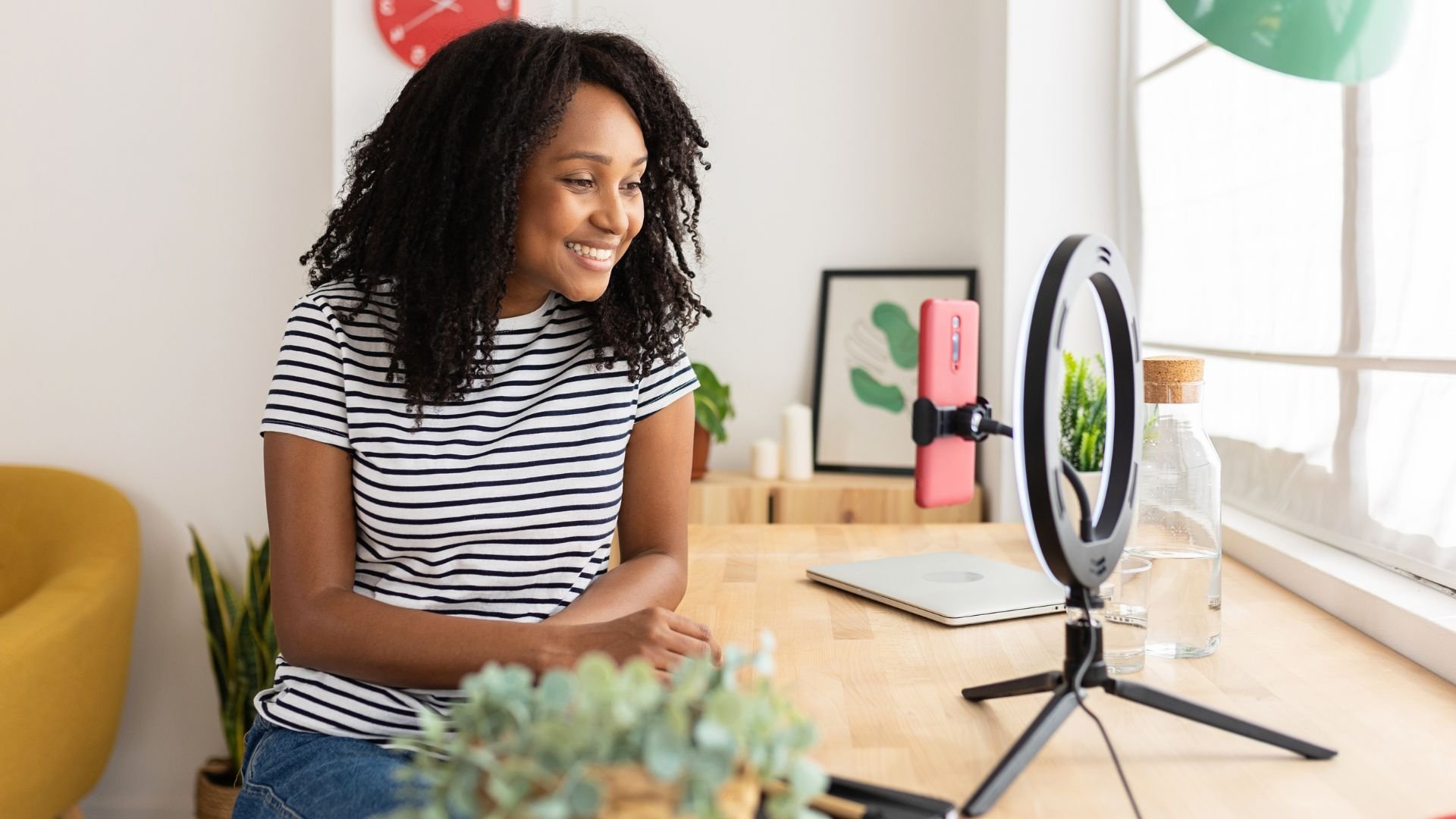
Personality Is Becoming the Biggest Competitive Advantage
Every artist has access to the same trends. Everyone can use the same editing apps, the same AI tools, the same music, and the same content templates.
What they can't copy is your personality.
As algorithms become better at recommending content, standing out is becoming less about finding the perfect trend and more about becoming recognizable. The creators people remember aren't always the ones with the biggest production budgets—they're the ones whose videos feel unmistakably like them.
Maybe it's your dry sense of humor.
Maybe it's your sarcastic captions.
Maybe it's the way you tell stories, your obsession with vintage guitars, your love of terrible dad jokes, or the way you always laugh halfway through a sentence.
These aren't distractions from your brand. They are your brand.
Artists often worry that showing too much personality will make them seem less professional. In reality, personality is what makes people choose to follow one artist over another who makes similar music.
Music may get someone to stop scrolling. Personality is what gives them a reason to stay.
In an internet full of polished content and repeatable formulas, your greatest competitive advantage isn't learning how to sound like everyone else.
It's becoming impossible to confuse with anyone else.
Storytelling Will Always Beat Confession
One reason so much "authentic" content feels repetitive is that many creators mistake confession for storytelling.
A confession tells people what happened.
A story makes them experience it.
For example, saying, "I almost quit music last year," might grab someone's attention. But explaining the moment you loaded your gear into your car after another disappointing show, sat in the driver's seat for ten minutes, and seriously questioned whether you should keep going—that's a story.
Stories have movement. They create curiosity. They make people wonder what happens next.
As artists, you don't need to manufacture drama to tell great stories. Every recording session, tour, songwriting breakthrough, terrible gig, fan interaction, creative block, or unexpected opportunity contains a story worth telling.
Instead of asking yourself, "What can I confess today?" ask, "What's a moment people would enjoy hearing about?"
That's a much healthier and more sustainable approach to content creation.
Your audience doesn't need a constant stream of emotional revelations. They simply want to get to know the person behind the music.
Authentic Doesn't Mean Unpolished
For years, creators have acted as if authenticity and quality exist on opposite ends of the spectrum.
They don't.
You can have beautiful lighting, professional editing, cinematic visuals, and still be completely authentic.
Likewise, shaky handheld footage doesn't automatically make a video more genuine.
Some of the biggest artists in the world carefully plan their content while still making it feel personal. They think about camera angles, pacing, captions, and editing because they understand that presentation matters.
The authenticity comes from the message—not from avoiding production.
Artists sometimes hesitate to create polished content because they're afraid it will feel like an advertisement. But audiences don't reject content because it looks professional. They reject content when it feels manufactured or disconnected from the person creating it.
Don't confuse intentionality with inauthenticity.
Take pride in making great-looking videos. Learn better lighting. Improve your editing. Invest in good audio. Those things help people engage with your content.
Just make sure the personality behind the camera is still visible.
Ask Better Questions Before You Hit Publish
Many creators evaluate their content by asking one simple question:
"Does this feel authentic?"
That's no longer enough.
A better set of questions can help you create content that actually stands out.
Ask yourself:
Could another artist have posted this exact video?
Does this sound like my personality, or does it sound like TikTok?
Am I telling people something they've heard a hundred times, or giving them a new perspective?
Is there a specific detail that makes this story memorable?
If someone removed my face from the video, would they still recognize my voice?
Those questions force you to think beyond trends and templates. The goal isn't to avoid popular formats altogether. Trends can still be useful. They're simply a vehicle.
What matters is what you bring to that vehicle. The most successful creators don't reject trends—they personalize them until they become unmistakably their own.
That's where originality lives.
The Future Belongs to Recognizable Creators
Social media moves in cycles. At one point, polished perfection dominated. Then audiences demanded authenticity.
Now we're entering a new phase where authenticity alone isn't enough because everyone is trying to be authentic in the same way.
The creators who will thrive over the next several years won't necessarily be the loudest, the most vulnerable, or the most active.
They'll be the most recognizable.
The artists whose humor, storytelling, perspective, and personality are instantly identifiable will build stronger communities than those chasing every new content trend.
That's encouraging news for independent musicians.
You don't need a bigger budget.
You don't need to manufacture emotional moments.
You don't need to share every detail of your personal life.
You simply need to lean further into the things that already make you different.
Your experiences.
Your perspective.
Your sense of humor.
Your way of writing.
Your way of speaking.
Your way of seeing the world.
Those are things no algorithm can generate and no competitor can copy.
In an internet full of creators trying to fit into the same mold, the greatest opportunity isn't learning how to appear authentic.
It's creating content that couldn't possibly come from anyone else. Because in the end, authenticity isn't a format. It's a fingerprint.
Ready to Build a Marketing Strategy That Actually Stands Out?
At Blossom Agency, we help artists create content that feels unmistakably them—not just another copy of the latest trend. If you're ready to build a brand that attracts real fans and lasts beyond the algorithm, we'd love to help.
Let's grow your audience together.
Contact Blossom Agency to learn how we can help promote your music on social media and grow your audience worldwide.